What 'Buy, Borrow, Die' Actually Means for Advisors
Jim Gutierrez · Founder & CEO, Kalynto · March 28, 2026
“Buy, borrow, die” is the three-word summary of the most powerful wealth preservation strategy available to ultra-high-net-worth families. It is also one of the most misunderstood.
The strategy is simple in principle. You buy appreciating assets — securities, real estate, operating businesses. You borrow against those assets when you need liquidity — a securities-backed line, a margin loan, a pledged asset facility. You never sell. When you die, your heirs receive a stepped-up cost basis, eliminating the unrealized capital gains entirely.
The result: a lifetime of liquidity without ever triggering a taxable event on the appreciated assets. A $100 million portfolio with a $20 million cost basis generates $80 million in unrealized gains. Selling to fund a $40 million acquisition triggers roughly $7.6 million in federal capital gains tax alone — and potentially $11 million or more when state taxes are included in high-tax jurisdictions like California or New York. Borrowing against the portfolio costs a few percent annually in interest — and the full $100 million continues to compound, generating returns that typically exceed the cost of borrowing. At death, the stepped-up basis eliminates the unrealized gain entirely.
This is not a loophole. It is the structural foundation of how institutional wealth management works. Every major private bank has a securities-backed lending desk precisely because this strategy is the default for their UHNW clients.
For advisors, “buy, borrow, die” is more than a tax strategy. It is a practice management principle. Every time a client liquidates securities to fund an acquisition or a lifestyle expense, the advisor’s asset base shrinks. The AUM that generates advisory fees declines. The client who sold $15 million in stock to buy a property is a client whose portfolio is $15 million smaller — permanently. The advisor who helped that client borrow $15 million against the portfolio instead preserved the asset base, preserved the fee income, and preserved the compounding trajectory of the portfolio.
This alignment — client wealth preservation and advisor business model preservation — is the reason securities-backed lending should be a core advisor capability, not a referral.
The challenge is that most advisors lack the tools to participate in the lending process. They can refer a client to a private bank’s lending desk, but they cannot independently analyze whether the client’s balance sheet supports the facility, what collateral is eligible, what the coverage ratios look like, or what covenant restrictions might apply from existing credit agreements. They are sending clients into a process they cannot evaluate — and the deal blockers that could have been identified upfront surface weeks later, costing time and potentially killing the deal.
Kalynto changes this dynamic. The platform encodes the “buy, borrow, die” principle at a foundational level — the system will never recommend liquidating securities to fund an acquisition. When an advisor can produce an institutional-grade credit analysis — with the client’s full balance sheet modeled, stress tested against archetype-specific scenarios, deal blockers flagged before they reach diligence, and every number documented with computation provenance — the advisor is not asking the bank for a favor. The advisor is presenting a pre-structured deal that the lending desk can evaluate efficiently. The advisor understands the credit dynamics and can guide the client’s expectations. The advisor stays in the room.
The Kalynto Genome — three layers of proprietary intelligence encoding decades of institutional credit knowledge — makes this possible. And the platform compounds with every deal, growing smarter and more precise over time.
The alternative is the status quo: the advisor refers, the bank runs the process, and the advisor hopes for the best. For the moments when clients need liquidity most, hope is not a strategy.
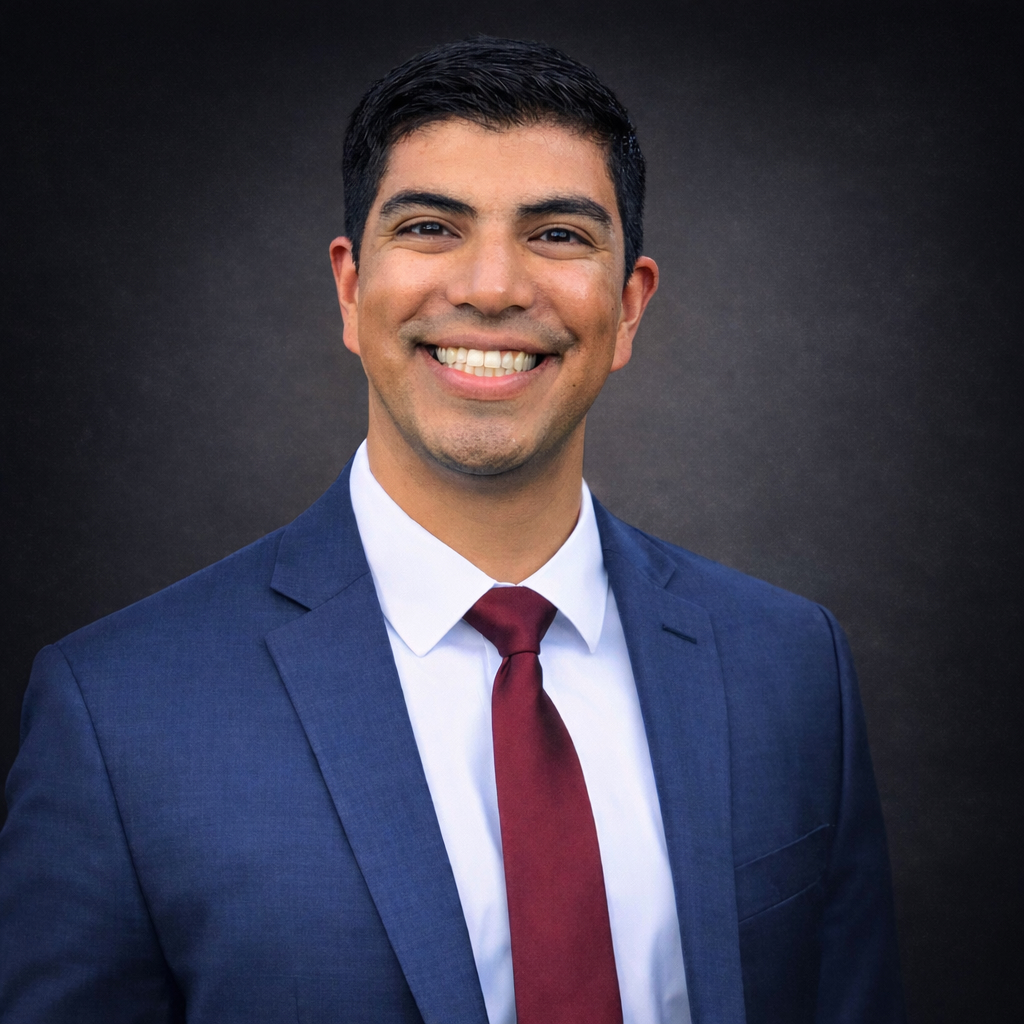
Founder & CEO, Kalynto
18+ years in institutional finance at Goldman Sachs and J.P. Morgan. Built credit and liquidity solutions for institutional and UHNW clients.
Kalynto is the lending operating system for the world's most private balance sheets.
Request a demoMore Insights
What a Lending Desk Sees Before They See Your Name
Lending desks evaluate structured mandate previews before borrower identity is revealed. How identity escrow works in UHNW lending.
Read →Advisor PracticeWhy Wealth Advisors Still Lose Control at the Lending Moment
Why independent wealth advisors lose visibility and control when UHNW clients need complex lending — and what it takes to stay in the deal.
Read →Lending IntelligenceWhat Computation Provenance Means for Lending
Every number in a credit analysis came from somewhere. Computation provenance traces each metric to its source document, page, and confidence.
Read →