Borrower Archetypes: Why Every UHNW Deal Is Actually Three Deals
Jim Gutierrez · Founder & CEO, Kalynto · March 28, 2026
A lending desk receives a deal package for a $75 million facility. The borrower is a private equity executive. Simple enough — the desk has seen PE executives before. They know about carried interest, GP commitments, unfunded capital calls, management company distributions versus K-1 allocated income.
Then the details arrive. The executive is in the process of a divorce. The prenuptial agreement governs the split of certain assets but not others. Some holdings are in the executive’s name, some in joint tenancy, some in trusts that predate the marriage. The community property analysis is unresolved.
And the executive has cross-border assets. A villa in the south of France. An investment account domiciled in Singapore. LP interests in a fund structured in the Cayman Islands. Each jurisdiction has its own rules governing pledgeability, lien perfection, and enforcement.
This is not one deal. It is three deals layered on top of each other, each with its own risk framework, document requirements, income methodology, and stress scenarios.
The PE executive archetype requires: income analysis based on management company distributions (not K-1 allocated carried interest, which may include unrealized gains), treatment of unfunded GP commitments as contingent liabilities, clawback exposure assessment, and stress testing against fund drawdown scenarios.
The divorce archetype adds: community property versus separate property classification of every asset, prenuptial agreement review for pledge restrictions, pending settlement exposure as a contingent obligation, and the risk that a court order could encumber assets currently offered as collateral.
The cross-border archetype adds: jurisdiction-specific pledgeability analysis, currency exposure, cross-border enforcement risk, and foreign trust structures that may limit a domestic lender’s recourse.
When these three archetypes activate simultaneously, everything changes. The document constellation expands — the system needs the carried interest allocation agreement and the prenuptial agreement and the foreign trust deed. The risk factors concatenate. The stress scenarios compound: a fund drawdown during a contested divorce with a currency devaluation affecting the offshore assets is a scenario that a single-archetype analysis would never model. And the deal blockers multiply — a pledge restriction in the prenup, a negative pledge in an existing fund agreement, a foreign lien perfection requirement — any of which could kill the deal if surfaced late in diligence.
A credit analyst handling this manually would need weeks to build the complete picture. More commonly, they would simplify — treating the borrower as “PE executive” and underestimating the complexity introduced by the divorce and cross-border layers. The deal might proceed on incomplete analysis, with deal blockers surfacing during diligence that could have been identified upfront.
This is the problem the Kalynto Genome was built to solve. The Borrower Archetype Genome — one of three intelligence layers in the platform — maintains 30 base borrower archetypes, from tech founders with concentrated pre-IPO stock to dynasty trust beneficiaries to S-Corp business owners to professional athletes. When a borrower’s profile triggers multiple archetypes, the system merges their intelligence automatically. Document requirements union. Risk flags concatenate. Deal blockers surface from every applicable archetype. When archetype-specific guidance conflicts, the platform applies the more conservative position.
Every downstream surface reshapes to the combined profile. The questions the system asks during intake reflect all three archetypes. The fields extracted from documents prioritize what matters for each layer. The stress scenarios model the compound risks. The credit narrative explains the deal through the lens of all three profiles, not just the most obvious one. The export artifacts — the PDF dossier, the Excel model, the PowerPoint deck — frame the analysis in terms the lending desk needs for this specific combination.
The Genome compounds with every deal. Each borrower profile that flows through the platform validates detection patterns, refines archetype-specific extraction, and sharpens the intelligence that the next deal benefits from.
This is what separates a lending operating system from a lending tool. Kalynto does not apply templates. It applies intelligence — layered, merged, calibrated to the borrower actually sitting across the table, and growing more precise with every deal.
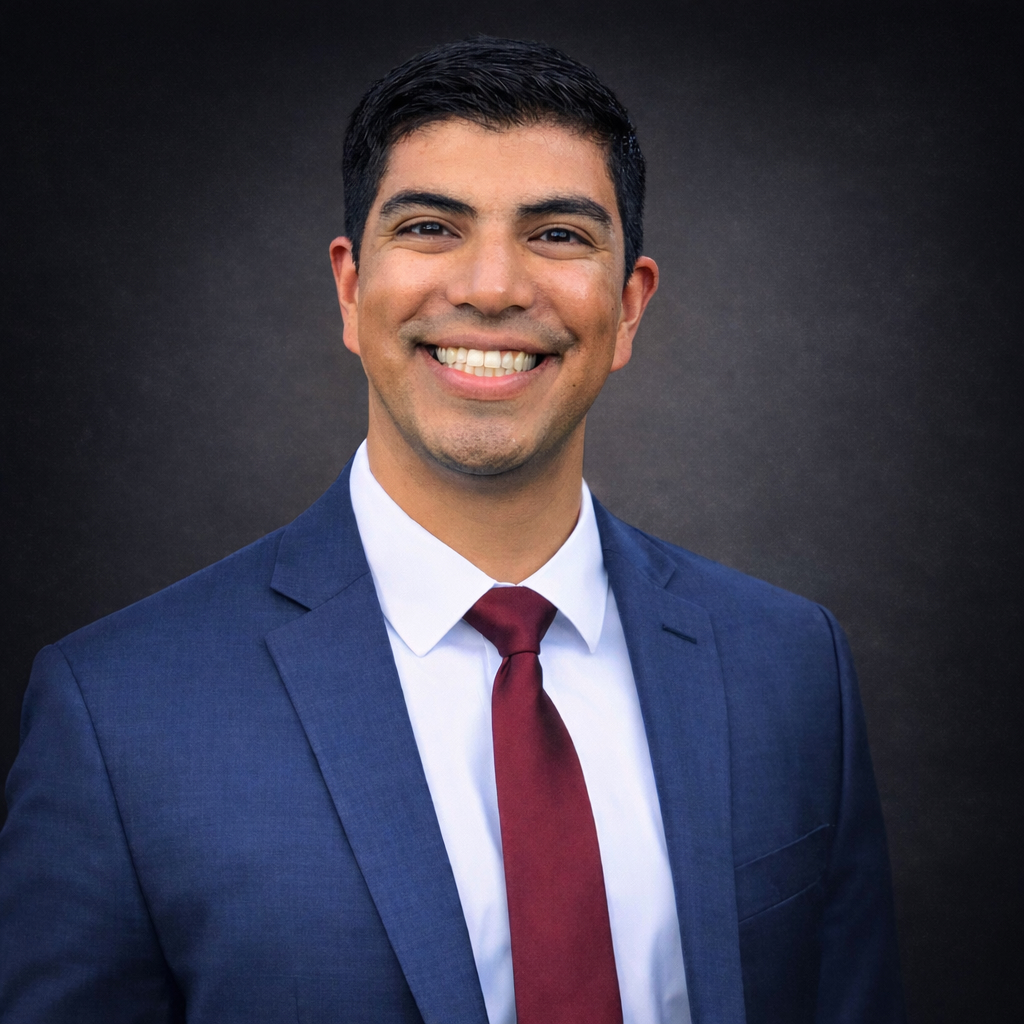
Founder & CEO, Kalynto
18+ years in institutional finance at Goldman Sachs and J.P. Morgan. Built credit and liquidity solutions for institutional and UHNW clients.
Kalynto is the lending operating system for the world's most private balance sheets.
Request a demoMore Insights
What Computation Provenance Means for Lending
Every number in a credit analysis came from somewhere. Computation provenance traces each metric to its source document, page, and confidence.
Read →Lending IntelligenceWhy UHNW Credit Is Still Assembled by Hand
A $50M loan against multi-entity structures and illiquid collateral still takes weeks of manual work. What changes when that intelligence is software.
Read →Lender IntelligenceWhat Lenders Actually Need From a Complex Borrower
Why the hardest UHNW lending deals stall — and what a structured borrower package looks like when it reaches a lending desk.
Read →